Toten-nu
TOTEN-NU is an artifact of seduction and collapse.
Through a polished, fetishistic aesthetic, the work dissects how the body ceases to be a biological entity and becomes a bargaining chip within the marketplace of appearances and social classes. In this process, sensuality becomes distorted: it ceases to be understood as a primitive, healthy, and direct way of relating to the world, and instead comes to be consumed as image, value, and hierarchy.
The beauty of the container—the skin, the pose, the wrapping—functions as a visual trap. It does not appear as an end in itself, but as a mechanism of attraction that places the viewer before the tension between the natural and the calculated, between desire and consumption, between presence and commodity.
The core of the narrative does not lie in the flesh, but in the void left behind after the exchange. It is a scathing critique of the observer’s complicity, who, by consuming the image in a certain way, actively participates in the dehumanization of the subject.
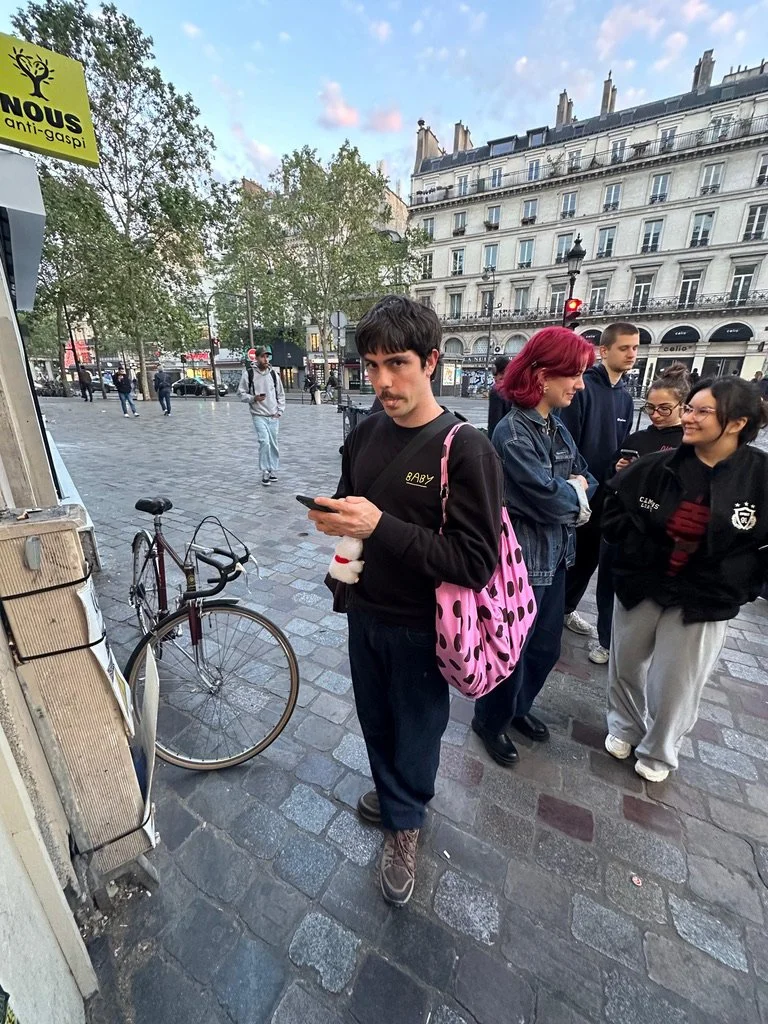
Miquel Cabello (Alaró, Mallorca).
Miquel Cabello (Alaró, Mallorca).Photographer and visual artist.
Miquel Cabello is a photographer and visual artist. His work stems from a series of persistent obsessions: innocence, play, a critique of classism—with a particular focus on appearance-based discrimination—and human sensuality. These concepts emerge as a consequence of a life marked by the absence of role models, difficulty in forming emotional bonds, economic hardship, and an awareness of the body as a site of desire, acceptance, and exclusion.
In his work, innocence does not appear as purity, but as a form of fertile ignorance: a state prior to fear, judgment, and the negative overinterpretation of the world.
Play, for its part, functions as a space for emotional experimentation, where the individual experiments with connection, pleasure, and the construction of identity.
In relation to both concepts, the critique of classism and human sensuality introduce a more political dimension: the way in which beauty, the body, and appearance condition social and affective relationships.
From a stage of greater stability and distance, Miquel Cabello revisits these experiences to transform them into images. TOTEN-NU arises from this need to visually represent lost innocence, interrupted youth, the desire to belong, and the silent violence of a society that classifies bodies according to their appearance, origin, and capacity to be desired.
Each series in the project consists of 14 statements, which trace an evolution from absolute admiration toward wear and tear, commodification, emptiness, and collapse.

#0001
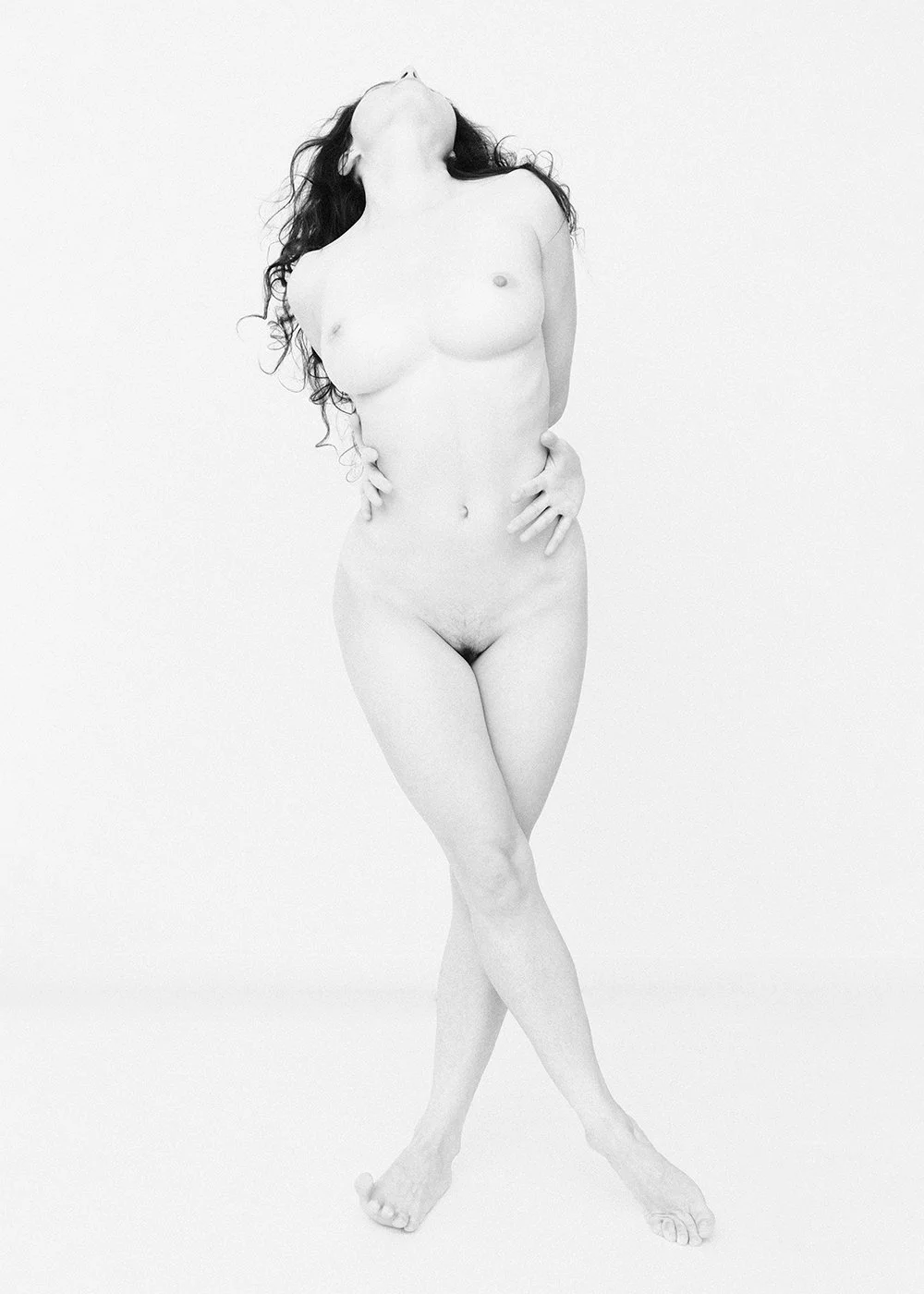
Everything is perfect, suspended in a utopian state. The most cherished value throughout the ages. Modified, yet at its core, always the same purpose, the body.
You like it, you observe it, and you desire it.
This series pays homage to those perfections we so long for and admire. It begins with a purpose.
#0002
From a young age, we learn to value physical beauty. We long to achieve it, and how wonderful it feels when we do. How it changes our lives.
How great it feels to go out and show the world who we are.


#0003
Showing who we are and embracing the consequences. A journey that becomes easier, experiences we long to have.
#0004
It has taken us so much hard work to get this far—sacrifices and efforts that have paved the way for us to celebrate our achievements.
You admire it; you’re in awe.

#0005
Exhausted by so much admiration, the mind rests whenever it can and catches its breath. Wondering where all this time has gone.
#0006
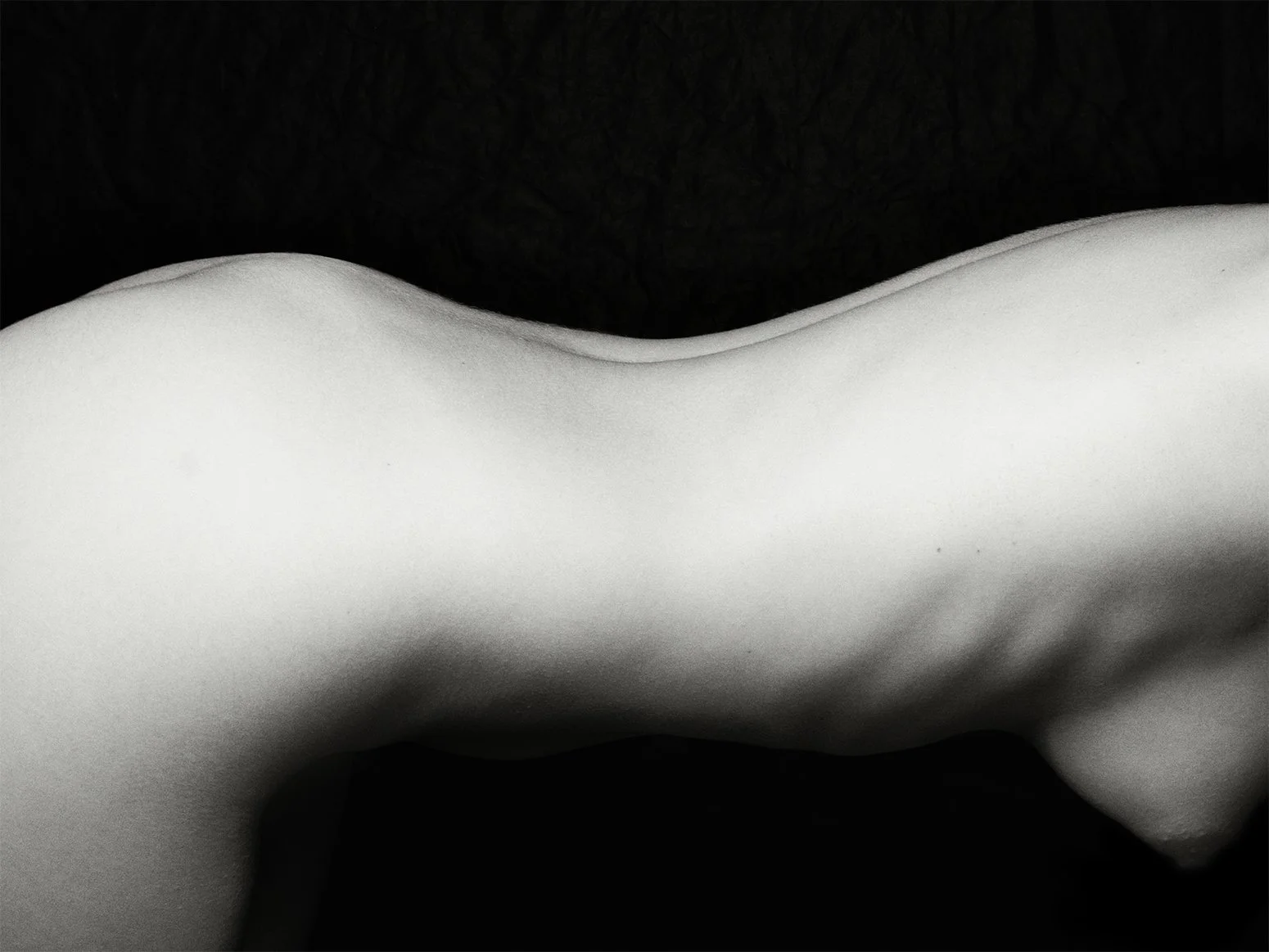
Beauty begins to demand something in return. The body ceases to rest in itself. A promise of access, of desire, of belonging.
#0007
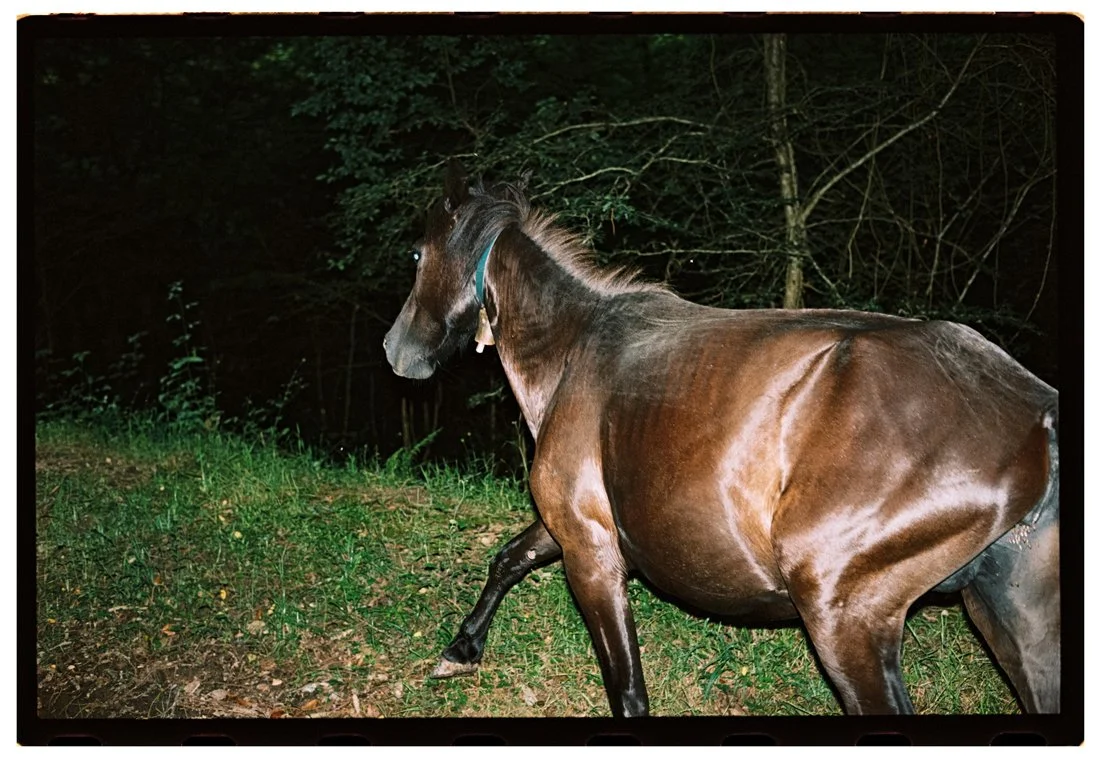
Presence requires confirmation; it requires reflection; it requires an audience.
The intimate shifts to the surface. What once belonged to the body now belongs to the gaze of others.
#0008
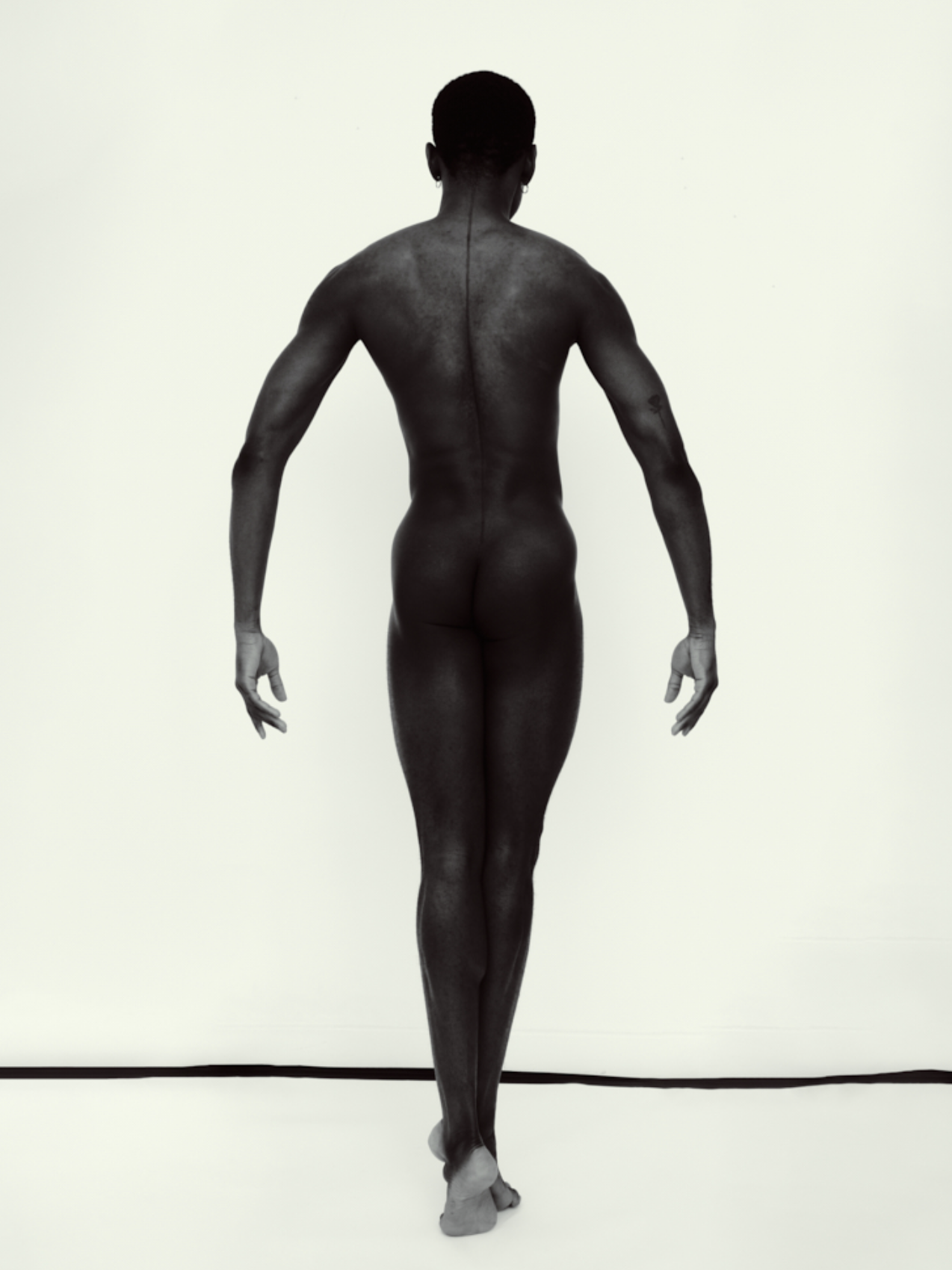
The body learns to sell itself, to offer itself as a gateway, as a symbol.
The skin becomes a wrapper.
Beauty becomes a selling point.
Desire is organized, curated, and presented.
#0009
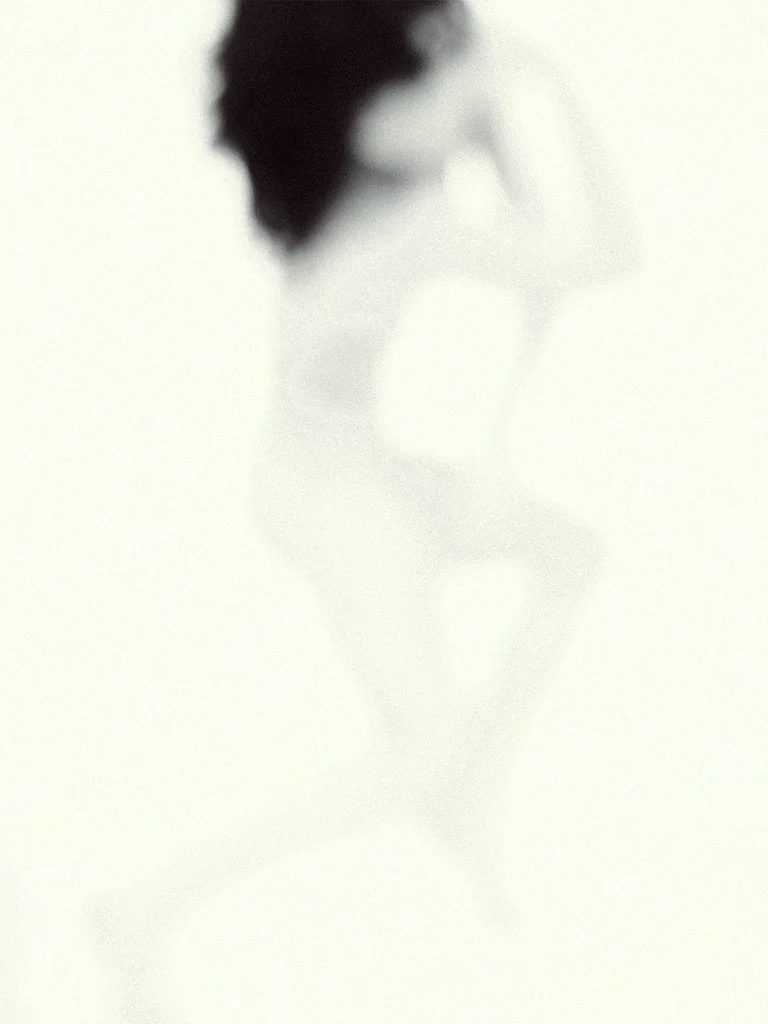
Admiration takes on a new form. What fails to inspire attraction loses its value.
A silent system where bodies disappear.
#0010
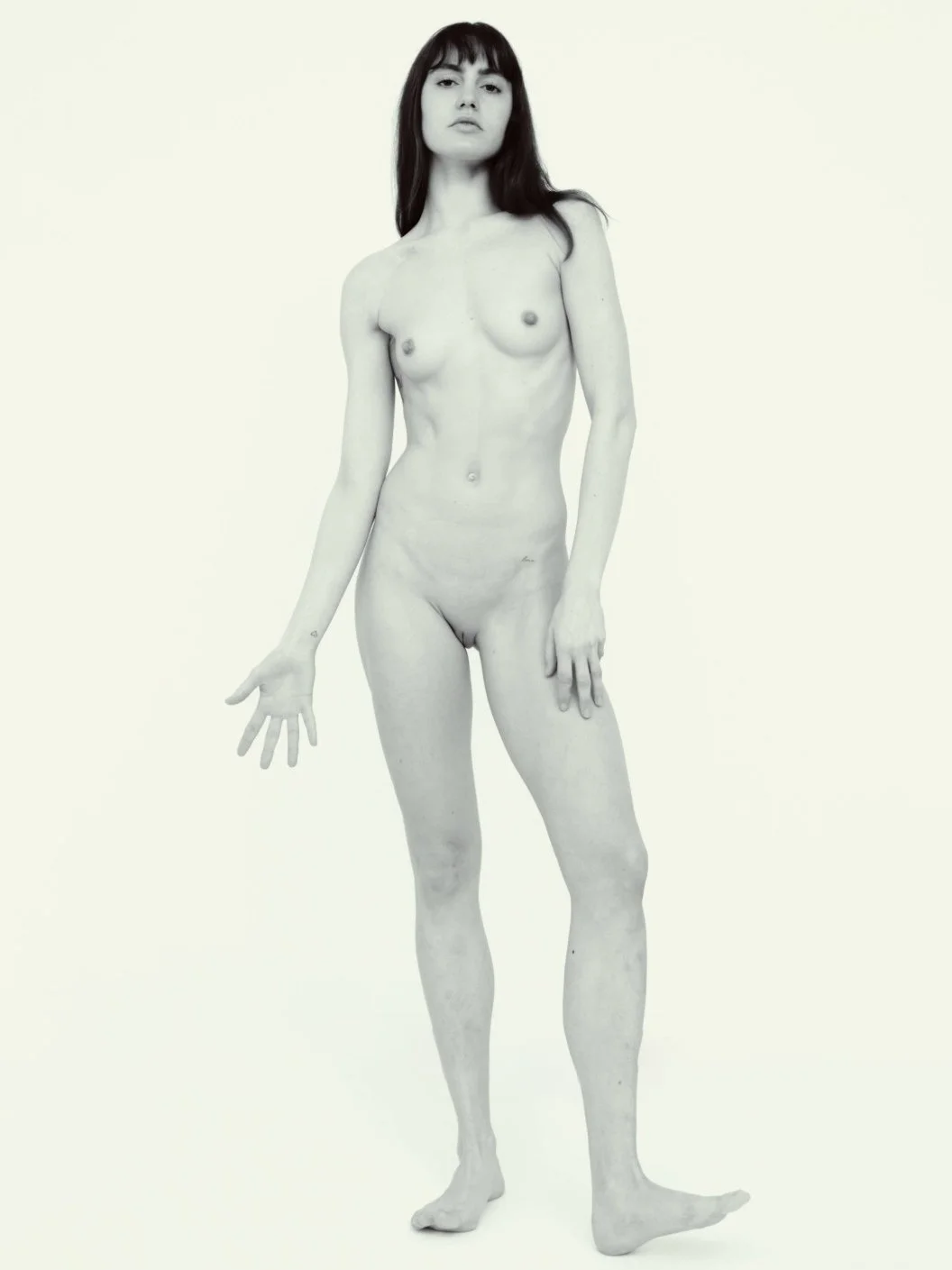
Seduction, repeated too many times, loses its innocence.
There is something broken about continuing to offer what no longer belongs to us.
The body remains present, but the person begins to withdraw.
#0011
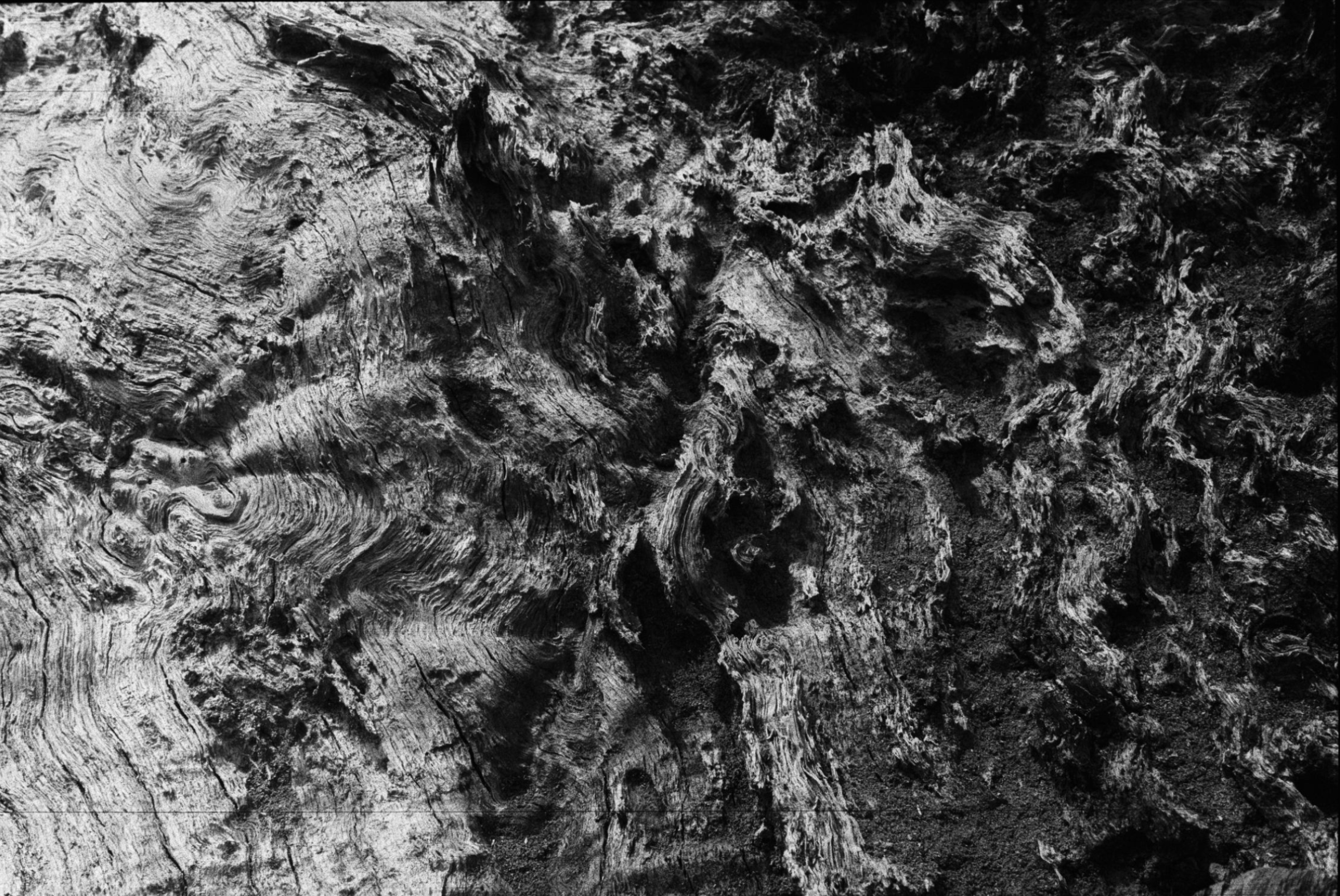
Something remains suspended. The silence that arises when the viewer reflects.
What has been projected matters.
The void it leaves behind matters.

#0012
Pleasure returns, as a mechanism, seeking the peak, the reward, the release.
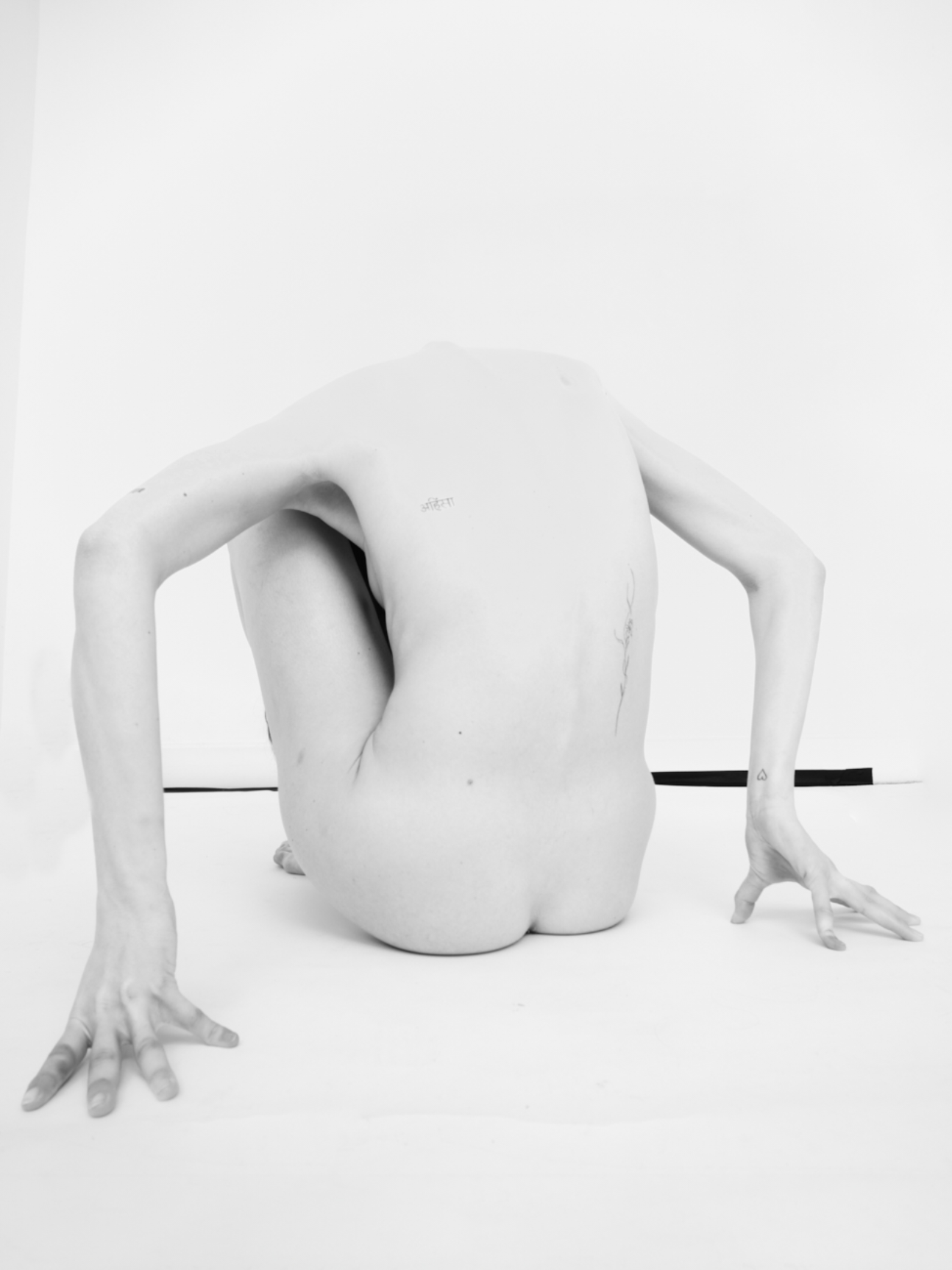
#0013
It no longer reflects its natural form, distorted by all the expectations placed upon it.
It stretches, it corrects itself, it exaggerates.
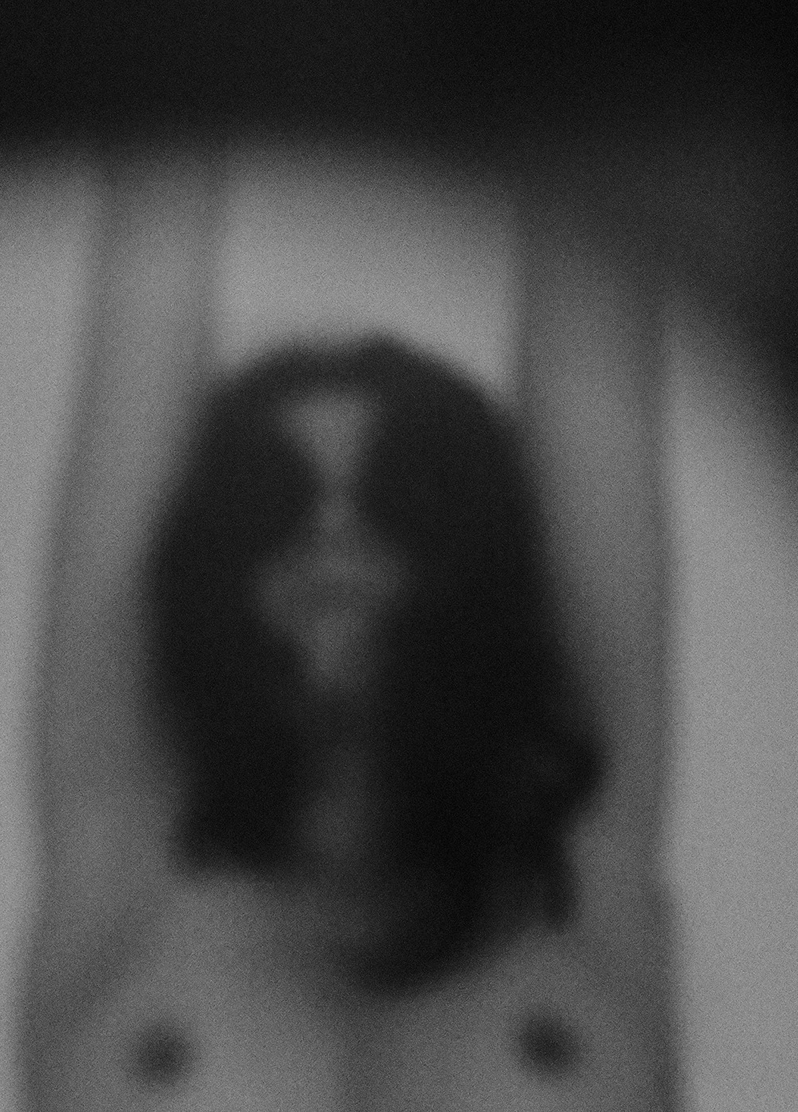
#0014
The collapse, when the promise is broken.
When beauty ceases to make sense.
The body falls like a sold-out commodity.
Only emptiness remains after consumption.